
WHAT ARE YOU LOOKING FOR?
Popular Tags
Select your language
Press Citations
Flexible ringgit exchange rate vital for absorbing external shocks – Sim
Press Citations
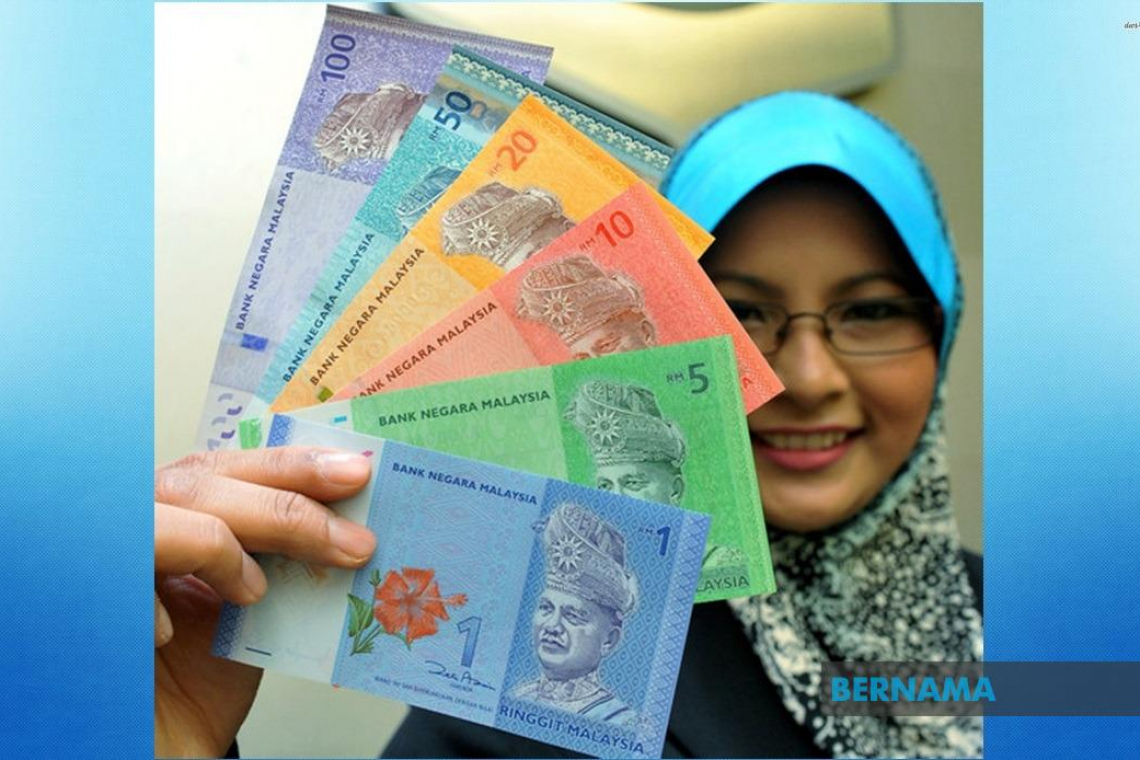
KUALA LUMPUR, Nov 1 (Bernama) – A flexible ringgit exchange rate plays an important role in absorbing external shocks and reducing the impact on the domestic economy in the current uncertain global market conditions, said Deputy Finance Minister II Steven Sim Chee Keong.
He said Bank Negara Malaysia will continue to manage both external and domestic risks while remaining ready to utilise its policy instruments to ensure more orderly market conditions.
“Risks resulting from sudden ringgit exchange rate changes versus the US dollar can also be reduced through hedging instruments, prudent external borrowings and a high in-depth money market.
“All these factors are expected to ensure business needs are effectively met while costs and foreign currency requirements are managed efficiently,” he said.
Sim was responding to a supplementary question from Datuk Seri Mohd Shafie Apdal (Warisan-Semporna), who asked about the government’s measures to ensure continuous demand for the ringgit.
The deputy minister said that in the long run, the ringgit’s value can be strengthened through policies that can increase economic development and Malaysia’s competitiveness.
“For example, the government is transforming the country’s economy guided by the Madani Economic framework via the National Energy Transition Roadmap (NETR), the New Industrial Master Plan 2030 (NIMP 2030) and the 12th Malaysia Plan (12MP) Mid-Term Review,” he said.
Sim said the government would also increase agility in terms of government services and restructure the economy to restore confidence in the ringgit and the country’s economy.
He added that the government’s commitment towards strengthening fiscal sustainability by tabling the Public Finance and Fiscal Responsibility Bill 2023 is expected to increase investor confidence towards Malaysia’s economy while reinforcing the ringgit’s value.